Research Interest


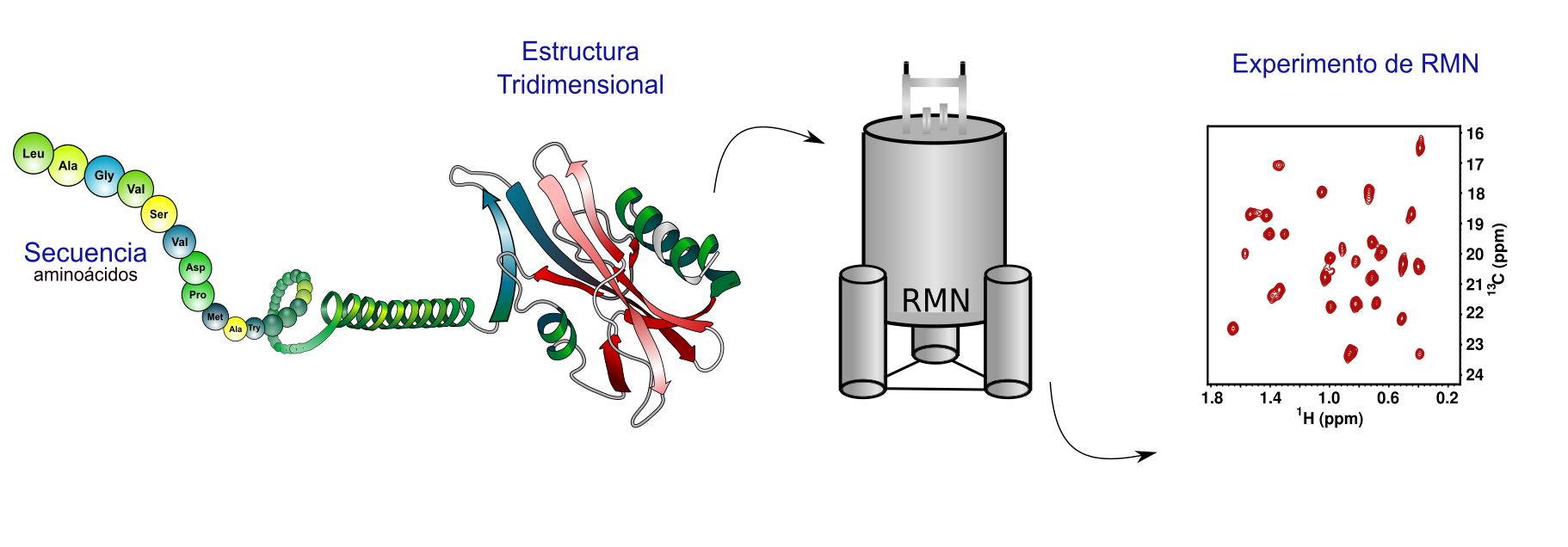
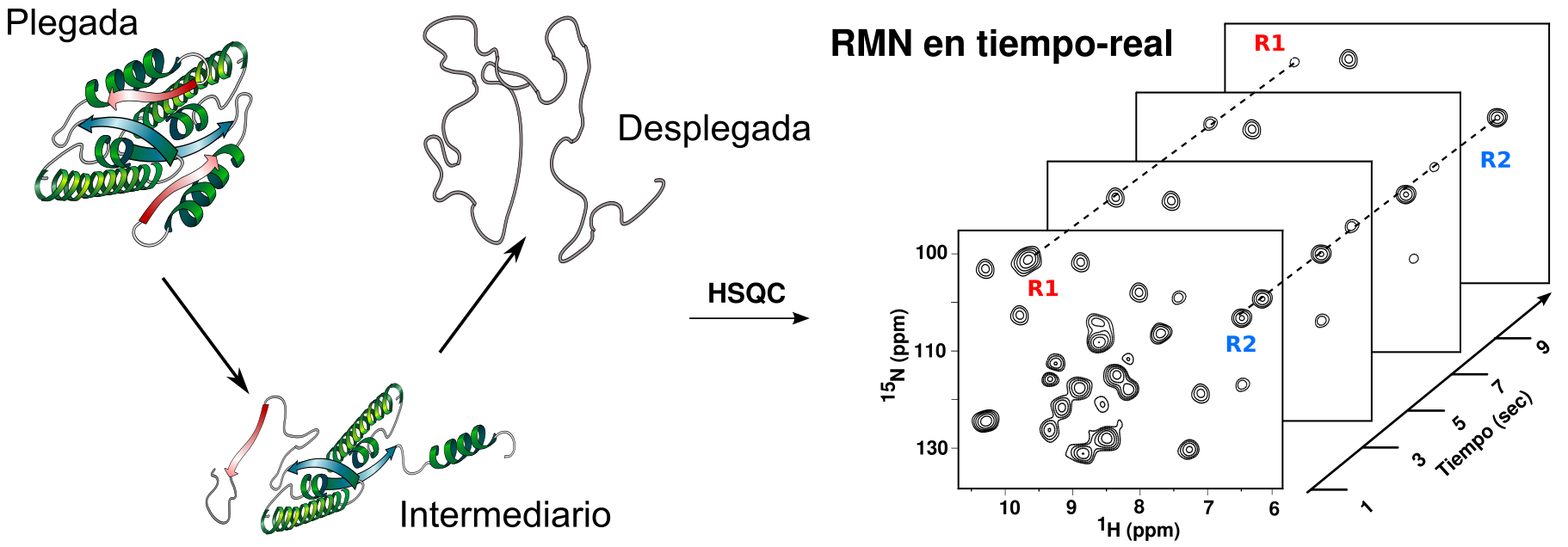
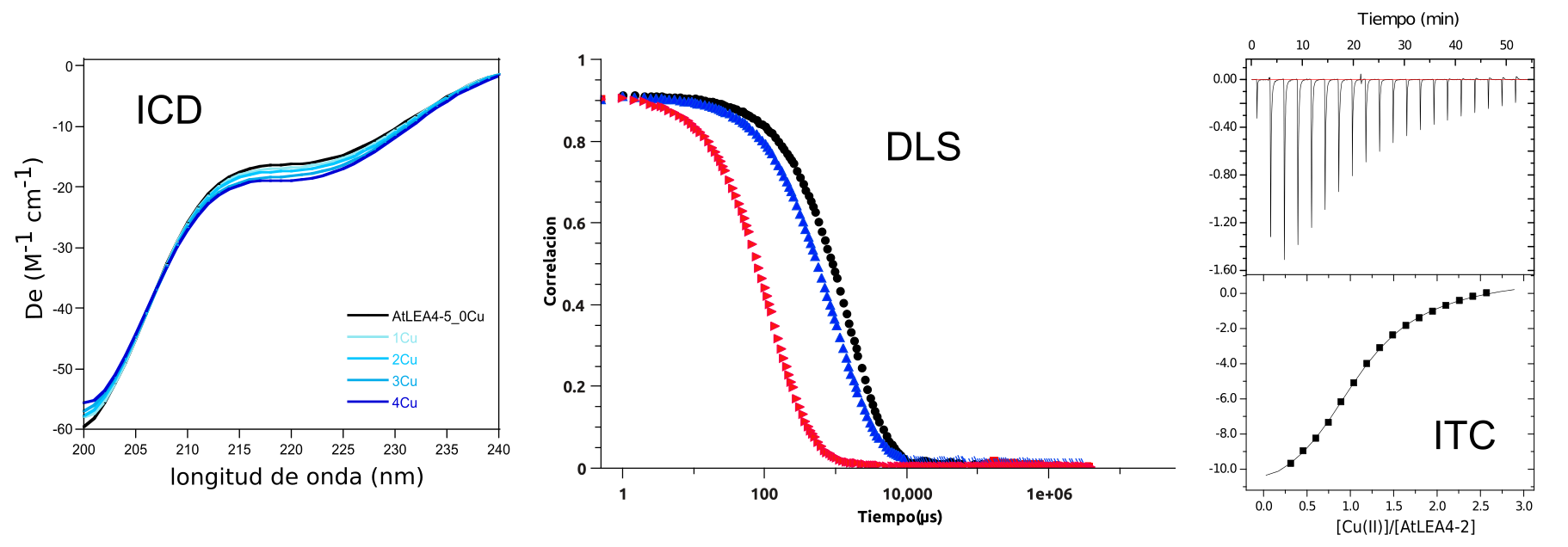
The main goal of the group is to have a better understanding of the molecular mechanisms involved in protein function. Nuclear Magnetic Resonance (NMR) is an excellent method to study protein function, providing information about:
  • Structure
  • Interactions
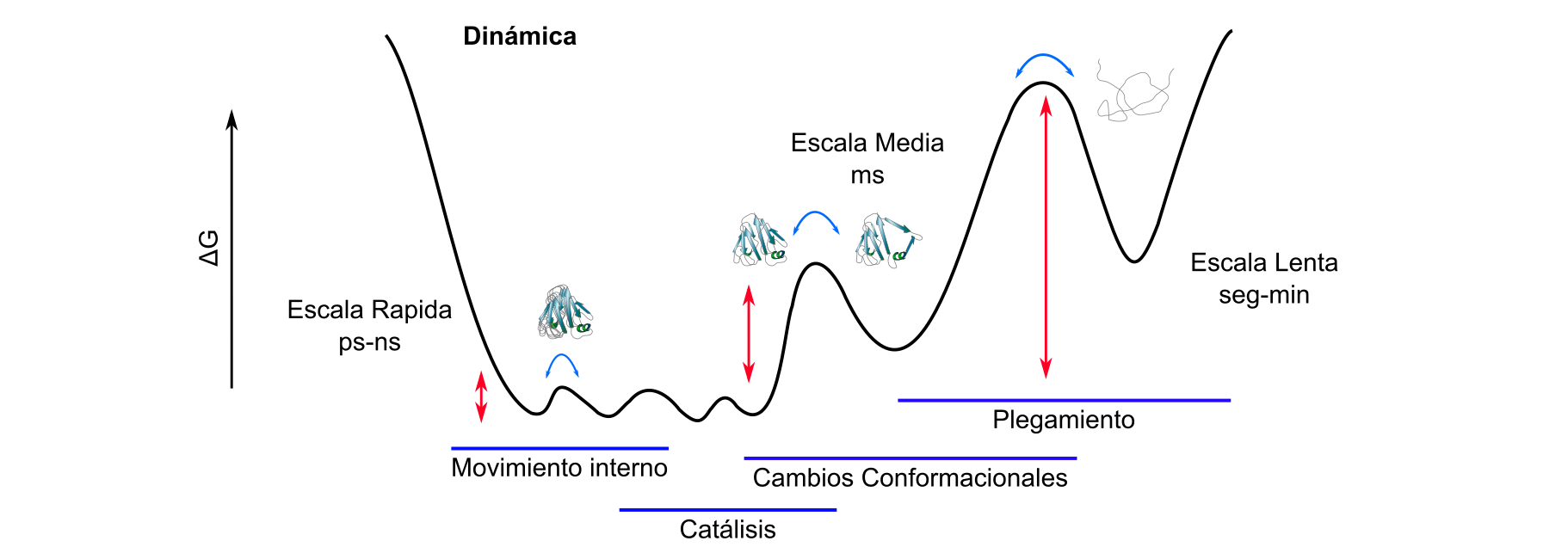
  • Dynamics
We are particularly interested in the correlation between protein dynamics and biological function.

The LABRMN is embedded in a scientific environment (CIQ-UAEM, IBT-UNAM), The Center is well equipped with four NMR spectrometers: A 700 MHz cryogenic NMR (the biggest in Mexico), a 400 MHz spectrometer equipped for both solid and liquid state NMR, a liquid 400 MHz and a 200 MHz.

Primarily we use NMR methodologies to understand the mechanisms of protein complexes assembly and peptide degradation by proteases.

TET

Proteases

Peptide degradation is crucial for cellular function, having critical roles in development, environmental signaling, growth and proliferation. The complete understanding of the mechanism of regulation remains crucial for the elucidation of the molecular process of diseases caused by improper degradation.


TET

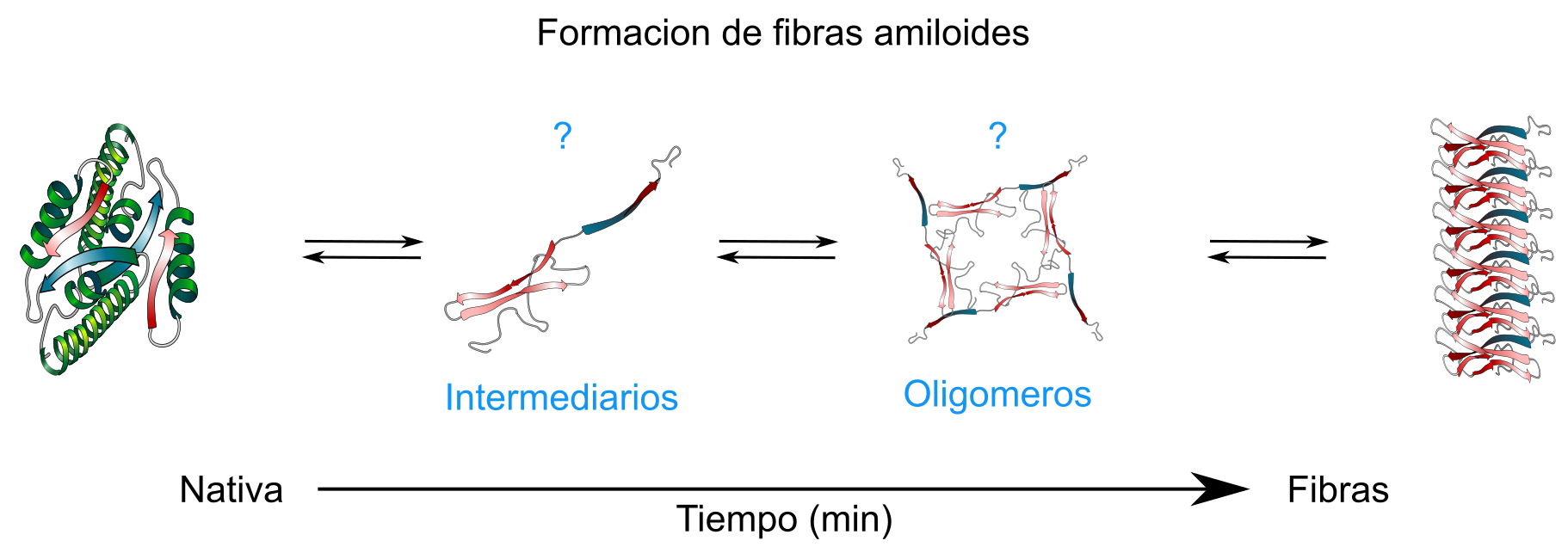
Complex assembly

Despite the fact that much is known about the structure of different oligomeric proteins, the mechanism by which these proteins assemble remains poorly understood on structural, kinetic and thermodynamic grounds. In recognition of the central importance of this process we investigate the factors that are responsible for the assembly using NMR methods.


Colaborations

Colaborations

The LABRMN group seeks to establish interdisciplinary collaborations between researchers with complementary expertise.


Search site